

How to Cut Akupanels Around Sockets and Switches
Wood slat akupanels have become one of the most popular decorative acoustic wall panels for modern interiors. They combine elegant wood veneer slats with PET acoustic felt backing, offering both aesthetic appeal and sound absorption.
However, during installation, one common challenge is cutting the panels neatly around electrical sockets, outlets, and wall switches.
With the correct tools and techniques, installers can achieve precise cuts without damaging the wood veneer. In this guide, Leedings Acoustic, a leading acoustic panels supplier in China, explains the best methods for cutting akupanels around sockets and switches.
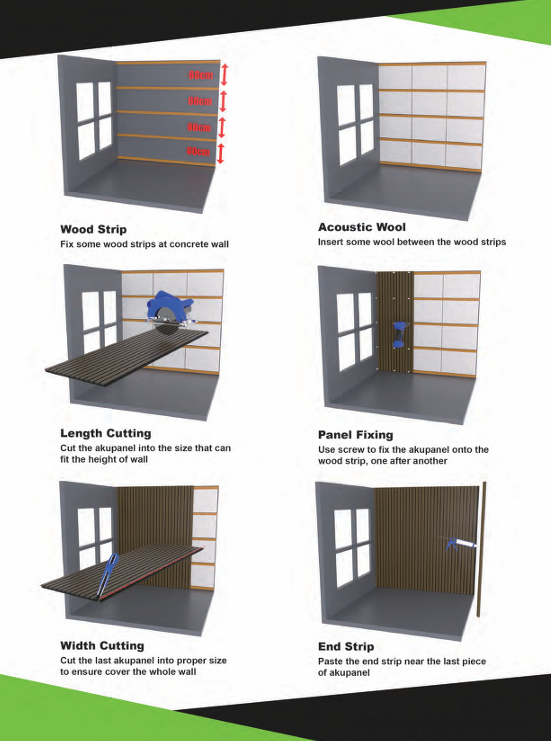
Understanding the Structure of Akupanels Before Cutting
Before making any cuts, it’s important to understand the layered structure of akupanels:
Decorative wood veneer slats
MDF slat core
PET acoustic felt backing
Because these materials have different densities, cutting requires controlled tools and careful marking. High-quality acoustic panels from China, such as those produced by Leedings Acoustic, are manufactured with stable bonding to ensure clean cutting results.
Tools Needed for Cutting Around Sockets
For precise installation, the following tools are recommended when cutting acoustic wall panels around outlets or switches:
Essential tools:
Jigsaw with a fine wood blade
Drill with small starter bit
Measuring tape
Pencil or marker
Masking tape
Utility knife (optional)
A jigsaw is usually the best tool for cutting internal openings because it allows installers to follow complex shapes accurately.

Step 1: Measure and Mark the Socket Position
Accurate measurement is the most critical step.
Measure the exact position of the socket from the wall edge or floor.
Transfer these measurements onto the back of the akupanels.
Mark the outline of the socket box clearly.
Many installers apply masking tape over the cutting area before marking. This helps prevent veneer chipping during the cut.
Step 2: Drill Starter Holes
To create an internal cutout:
Drill a small hole inside each corner of the marked socket outline.
The holes allow the jigsaw blade to enter the panel.
Be careful not to drill outside the marked lines, as this may affect the final appearance of the acoustic wall panels.
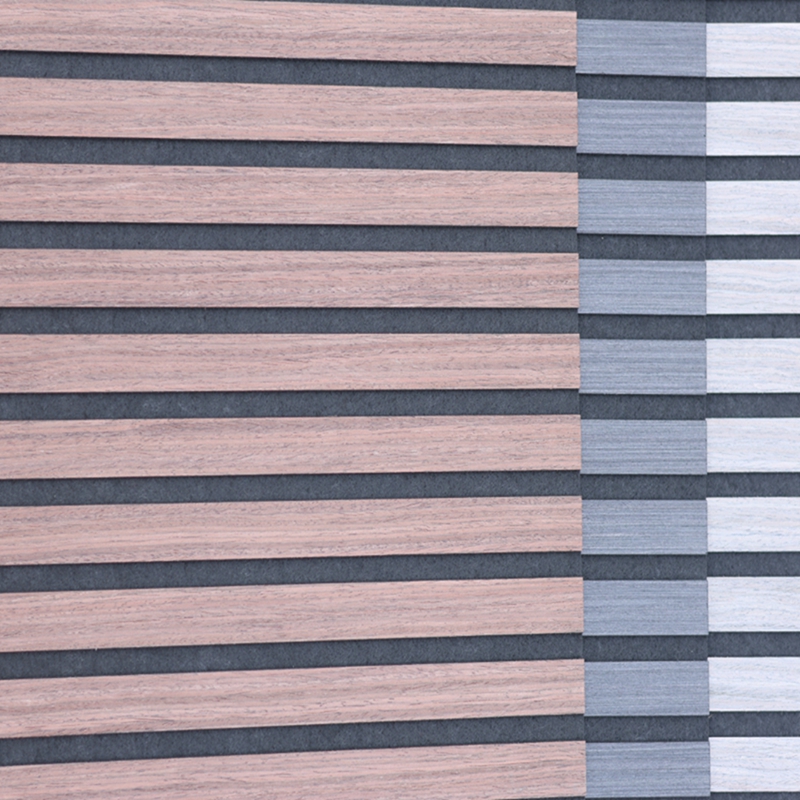
Step 3: Cut the Opening with a Jigsaw
Insert the jigsaw blade into one of the starter holes and slowly cut along the marked outline.
Best practices include:
Use a fine-tooth blade designed for wood or laminate
Cut slowly to avoid veneer chipping
Support the panel properly during cutting
These techniques help maintain clean edges on akupanels.
Step 4: Test Fit Before Installation
After cutting the opening:
Place the panel against the wall
Check if the socket or switch fits perfectly inside the cutout
Adjust slightly if necessary
Precise fitting ensures the final installation of the acoustic wall panels looks seamless and professional.
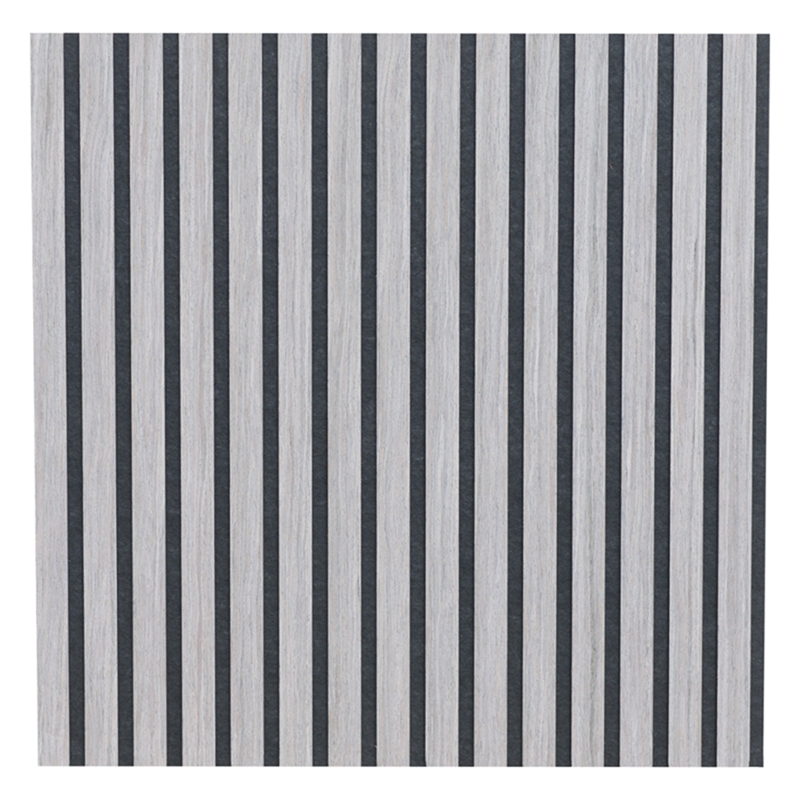
Tips for Achieving Cleaner Cuts
Professional installers of akupanels often use the following tips:
✔ Cut from the back side of the panel when possible
✔ Apply masking tape to stabilize the veneer surface
✔ Use sharp blades to reduce tearing
✔ Cut slightly smaller first and enlarge gradually if needed
These techniques are widely recommended by experienced acoustic panels suppliers for achieving clean results.
Factory Support for Custom Panel Sizes
For large commercial projects, installers may prefer panels that are pre-cut for electrical fixtures.
At Leedings Acoustic, we support project clients by offering:
Custom panel sizing
Consistent veneer quality for easier cutting
Technical guidance for installation
As an experienced acoustic panels China manufacturer, we design akupanels that are installer-friendly and suitable for both residential and commercial environments.
Conclusion
Cutting akupanels around sockets and switches is a common part of installation. By using the right tools, careful measurements, and controlled cutting techniques, installers can achieve clean openings without damaging the wood veneer.
Whether you are installing panels in homes, offices, or commercial interiors, proper cutting ensures your acoustic wall panels maintain both their aesthetic appeal and acoustic performance.
If you are looking for a reliable acoustic panels supplier in China, Leedings Acoustic provides high-quality akupanels designed for easy installation and professional results.