

Akupanels: Where Architectural Design Meets Acoustic Performance
In contemporary architecture, materials are expected to do more than look good. They must control sound, support sustainability goals, and integrate seamlessly into design concepts.
This is why Akupanels—wood slat acoustic panels backed with PET felt—have become a favorite among architects worldwide.
By blending natural wood aesthetics with effective sound absorption, Akupanels offer a rare balance of form and function.
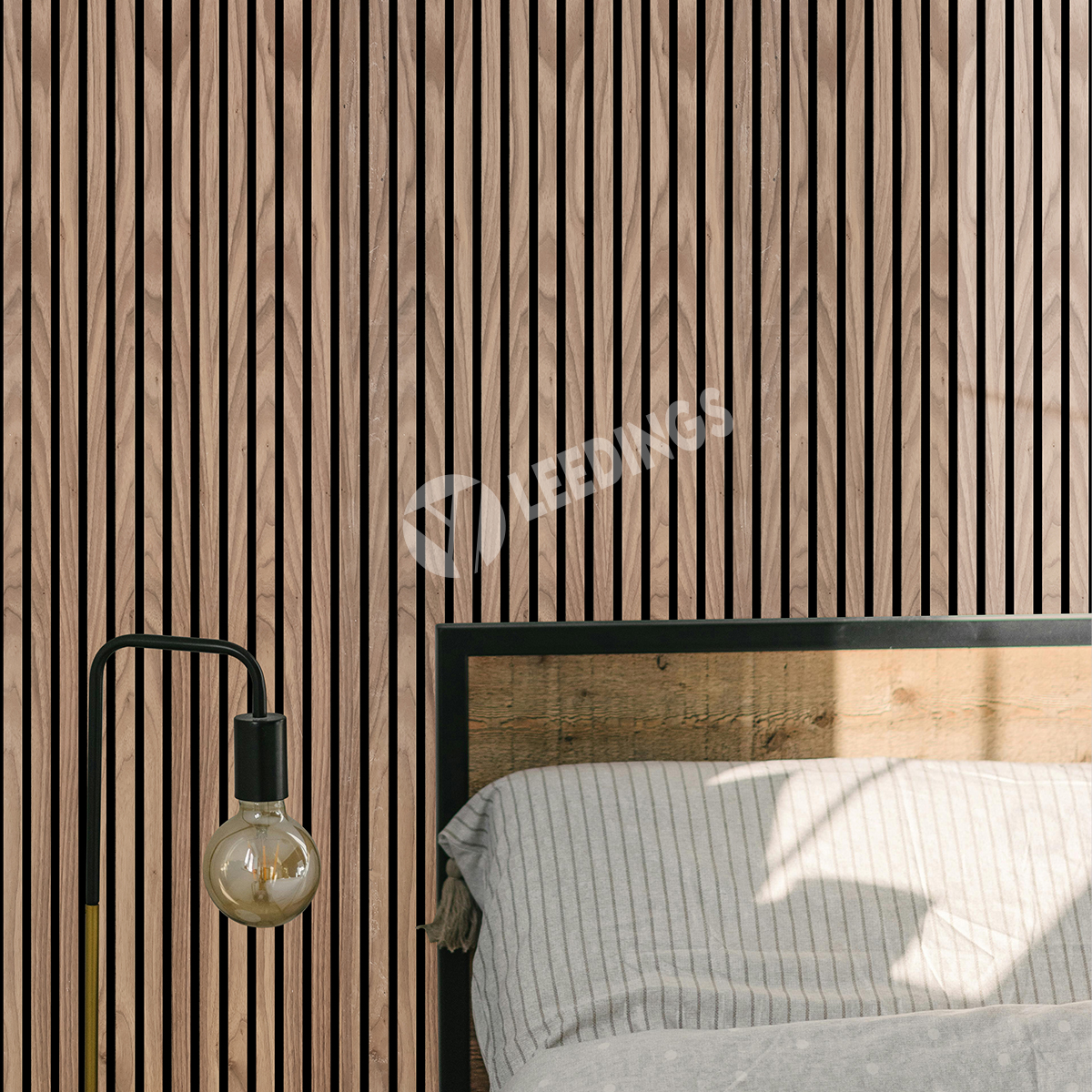
1. Natural Aesthetics That Elevate Architectural Spaces
Architects value materials that enhance spatial identity without overpowering it. Akupanels deliver:
Warm, natural wood textures
Clean linear rhythm through evenly spaced slats
A modern yet timeless visual language
Whether used in offices, hospitality, retail, or residential interiors, Akupanels create visual depth while maintaining architectural clarity.
Popular applications include:
Feature walls
Lobby backdrops
Ceiling baffles
Corridor and reception areas
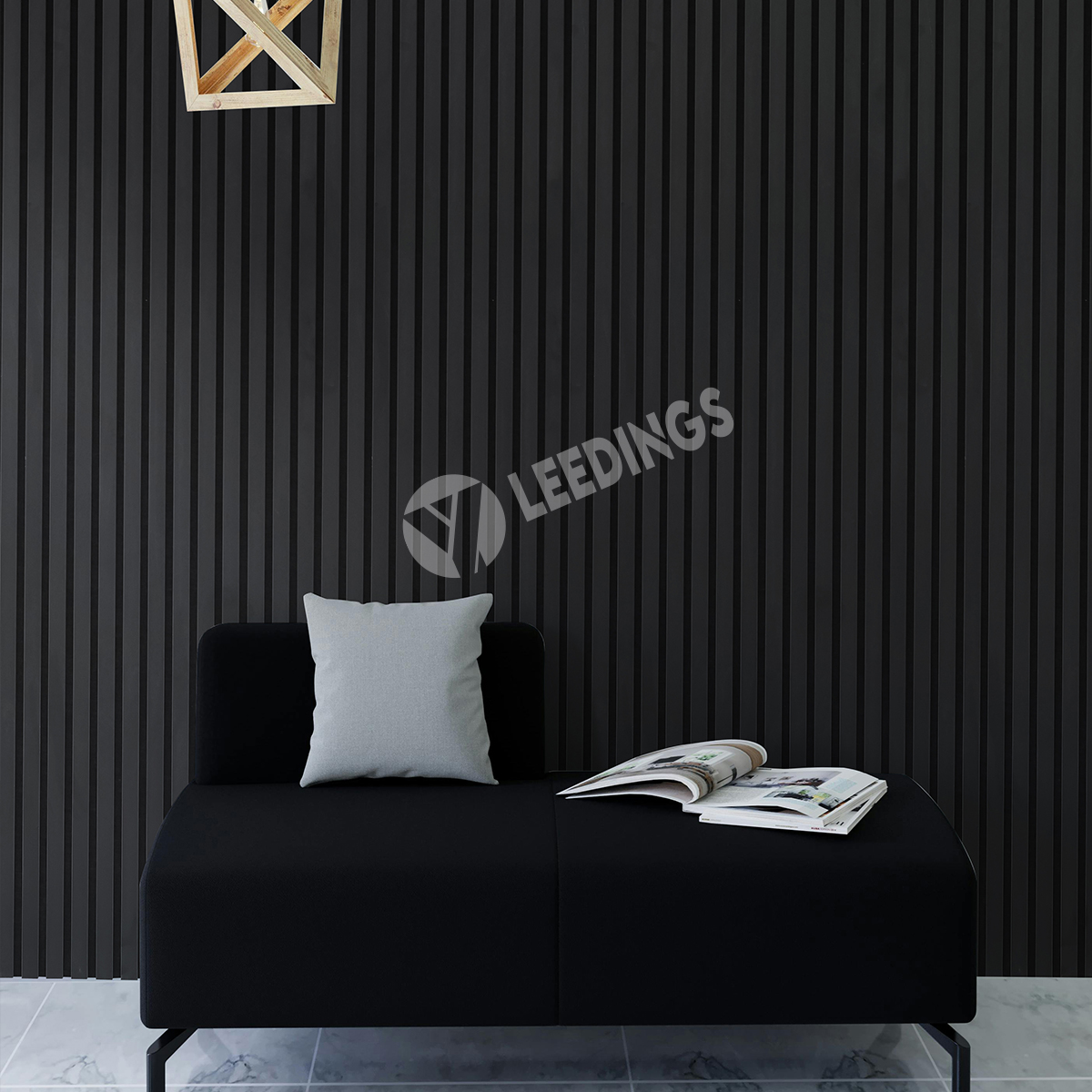
2. Proven Acoustic Performance for Real-World Spaces
Behind the elegant wood slats lies a powerful acoustic system:
PET felt backing absorbs mid- and high-frequency noise
Slat spacing helps break up sound reflections
Optional air gaps further improve NRC values
This makes Akupanels ideal for:
Open-plan offices
Conference rooms
Restaurants and cafés
Co-working spaces
Architects appreciate that acoustic comfort can be achieved without sacrificing design intent.
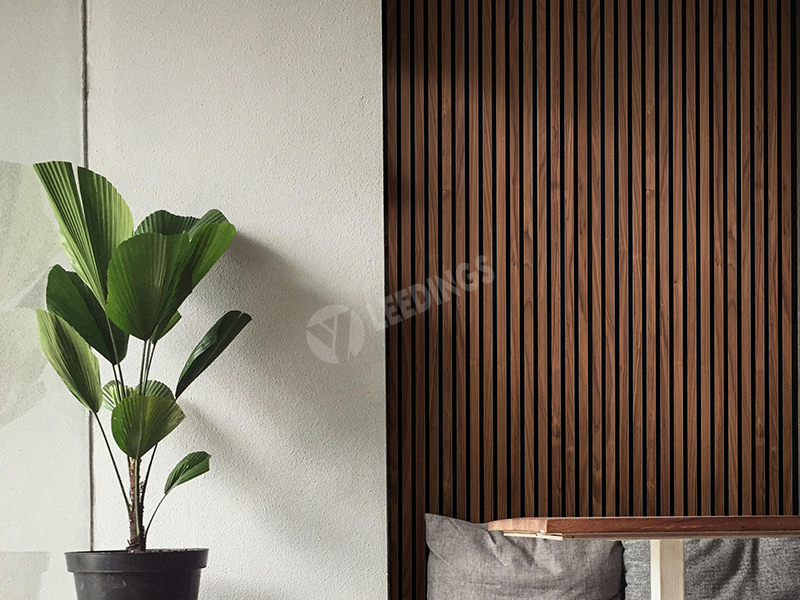
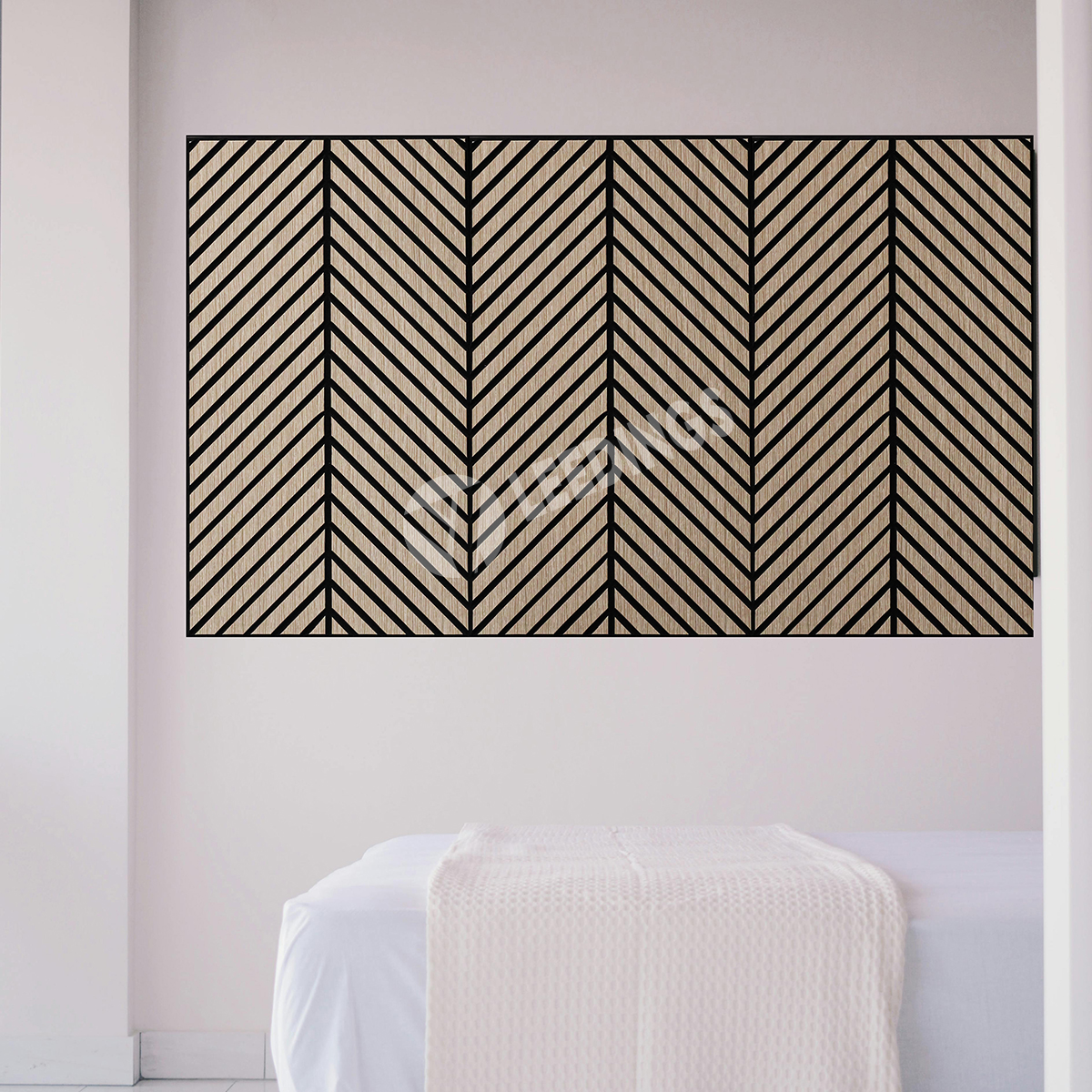
3. Design Flexibility Architects Demand
Akupanels are highly adaptable, allowing architects to align acoustic solutions with creative visions:
Multiple wood finishes and veneer options
Custom slat widths, spacing, and panel sizes
Horizontal, vertical, or curved installations
Seamless wall-to-ceiling transitions
This flexibility allows Akupanels to function as both a design feature and an acoustic treatment.
4. Sustainable Materials for Responsible Design
Sustainability is no longer optional in architectural projects. Akupanels support green building requirements through:
Recycled PET felt backing
FSC-certified wood slats
Low-VOC and formaldehyde-free materials
These features help projects meet LEED, BREEAM, and WELL expectations while reducing environmental impact.
5. Fire Safety and Compliance for Public Projects
Architects working on commercial and public spaces require materials that meet strict regulations.
High-quality Akupanels are available with:
EN 13501-1 Bs1-d0 fire performance
Compliance with European and international building standards
This makes Akupanels suitable for schools, offices, hotels, and cultural spaces.
6. Easy Integration Into Architectural Details
From a practical standpoint, architects favor materials that install cleanly and reliably:
Compatible with wall, ceiling, and partition systems
Can be glued, screwed, or mounted on battens
Easy access for electrical and lighting integration
This simplifies coordination with contractors and reduces installation risks.
7. A Material That Clients Instantly Understand
Beyond technical advantages, Akupanels are easy to explain and sell to clients:
They look premium
They improve comfort immediately
They feel warm and natural
Clients can see and hear the difference—making approval easier and faster.

Conclusion: A Smart Choice for Modern Architecture
Akupanels have earned their place in architectural design because they solve multiple challenges at once:
✔ Elegant wood aesthetics
✔ Effective sound absorption
✔ Sustainable construction
✔ Design flexibility
✔ Compliance with modern building standards
For architects seeking a material that performs as beautifully as it looks, Akupanels are a clear choice.