

When choosing a polyester fiber acoustic panel, thickness is one of the most important factors affecting both acoustic performance and application suitability. While many buyers focus on color, design, or price, selecting the right panel thickness can make a significant difference in noise reduction and overall project results.
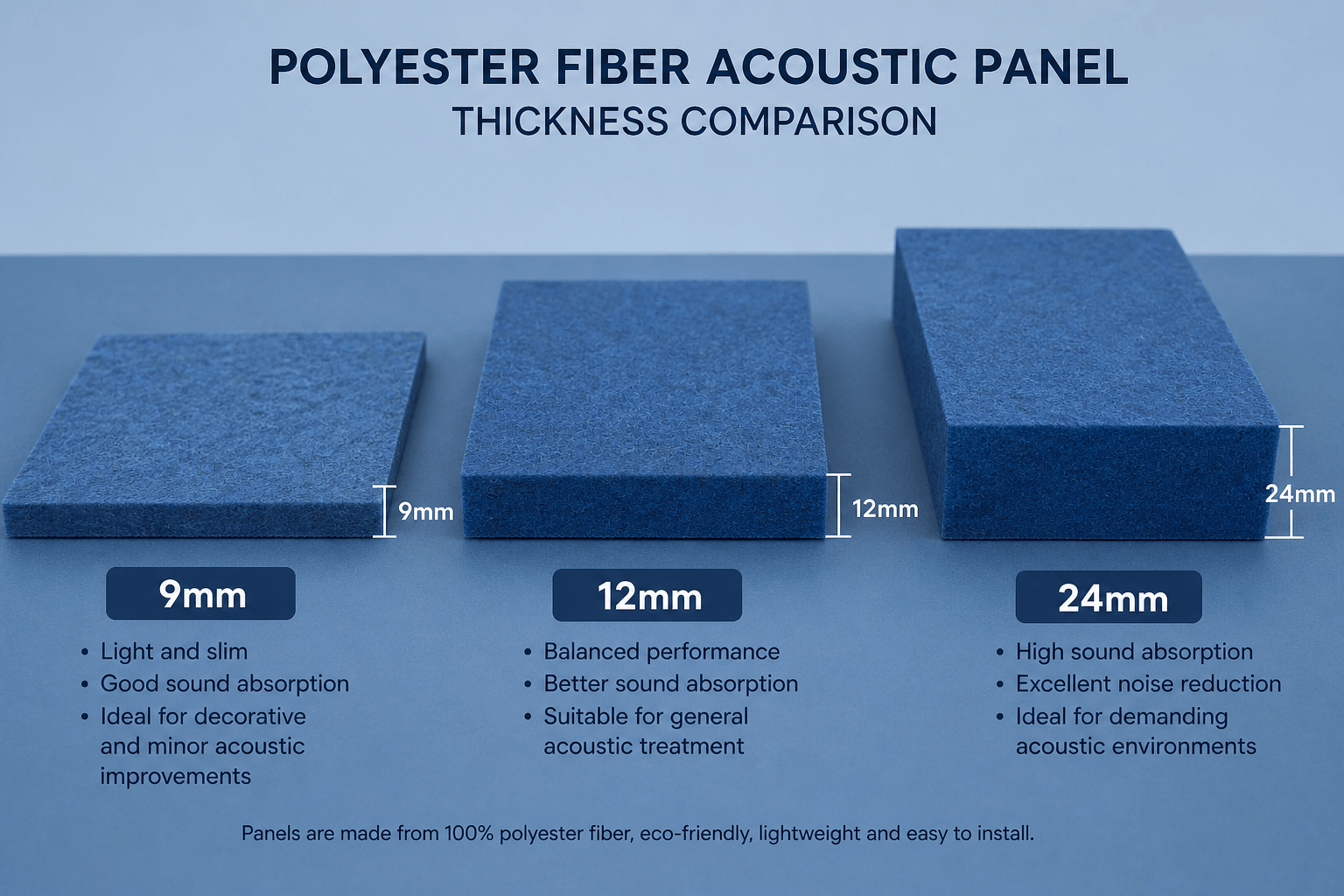
The most common thicknesses on the market are 9mm, 12mm, and 24mm. Each offers unique advantages depending on the environment, budget, and acoustic requirements.
In this guide, Leedings Acoustic, a leading acoustic panels supplier and manufacturer of polyester fiber acoustic panels in China, compares these three popular thicknesses to help you make an informed decision.
Why Does Thickness Matter?
A polyester fiber acoustic panel works by absorbing sound waves as they pass through its porous polyester fiber structure. Generally, a thicker panel provides more material for sound energy to dissipate, improving sound absorption—particularly at mid and low frequencies.
However, thicker is not always better. The ideal thickness depends on factors such as:
- Room size
- Noise level
- Installation method
- Budget
- Design preferences
Selecting the right thickness ensures the best balance between performance and cost.
9mm Polyester Fiber Acoustic Panels
Overview
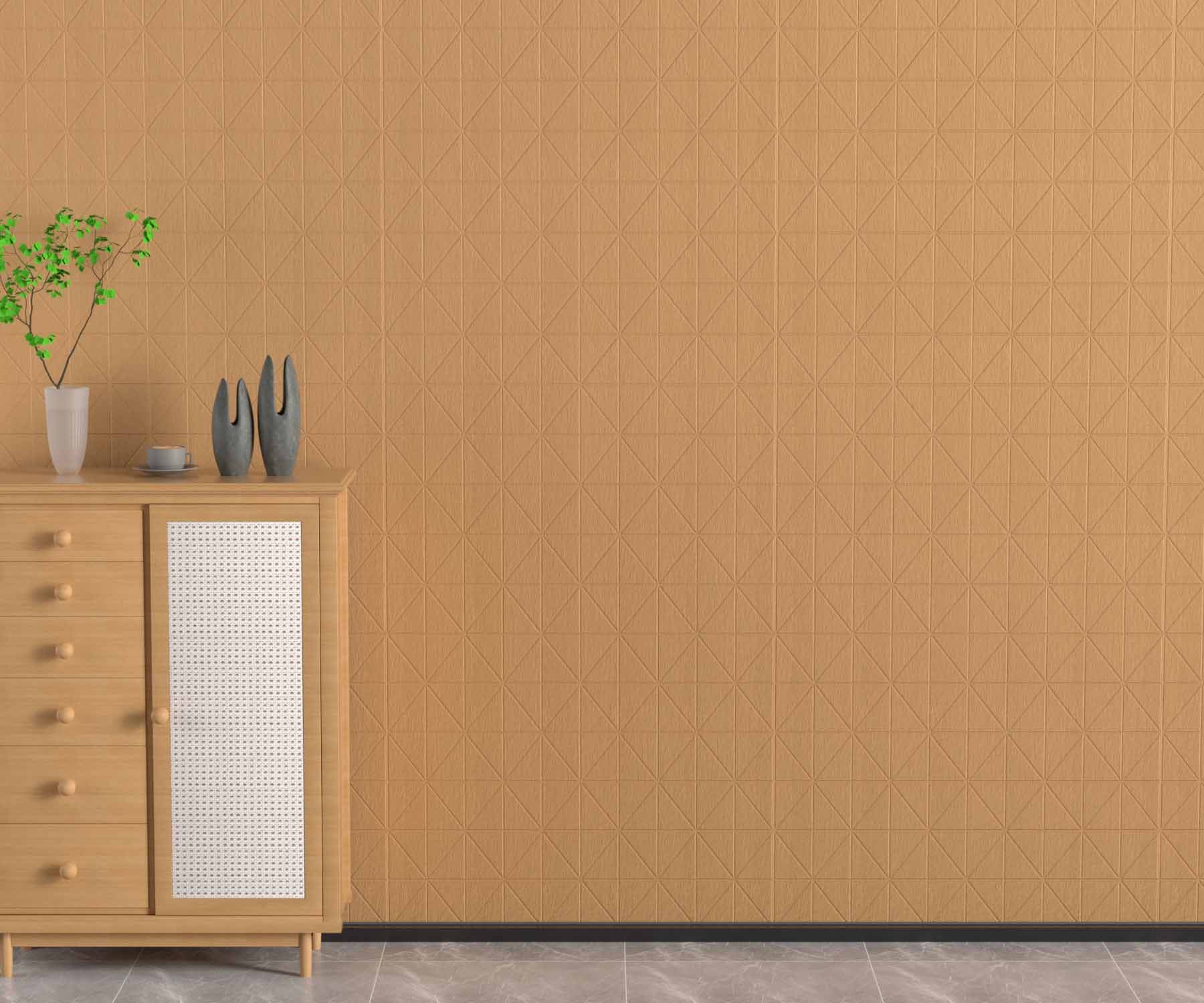
A 9mm polyester fiber acoustic panel is the thinnest standard option and is widely used for decorative and light acoustic applications.
Advantages
- Lightweight
- Cost-effective
- Easy to cut and install
- Suitable for DIY projects
- Minimal wall projection
Acoustic Performance
9mm panels effectively reduce:
- High-frequency reflections
- Minor echoes
- General background noise
However, they are less effective at absorbing lower-frequency sounds.
Recommended Applications
- Residential walls
- Home offices
- Hallways
- Decorative wall features
- Retail displays
If appearance is the primary concern and only moderate sound control is required, 9mm panels are often sufficient.
12mm Polyester Fiber Acoustic Panels
The Most Popular Choice
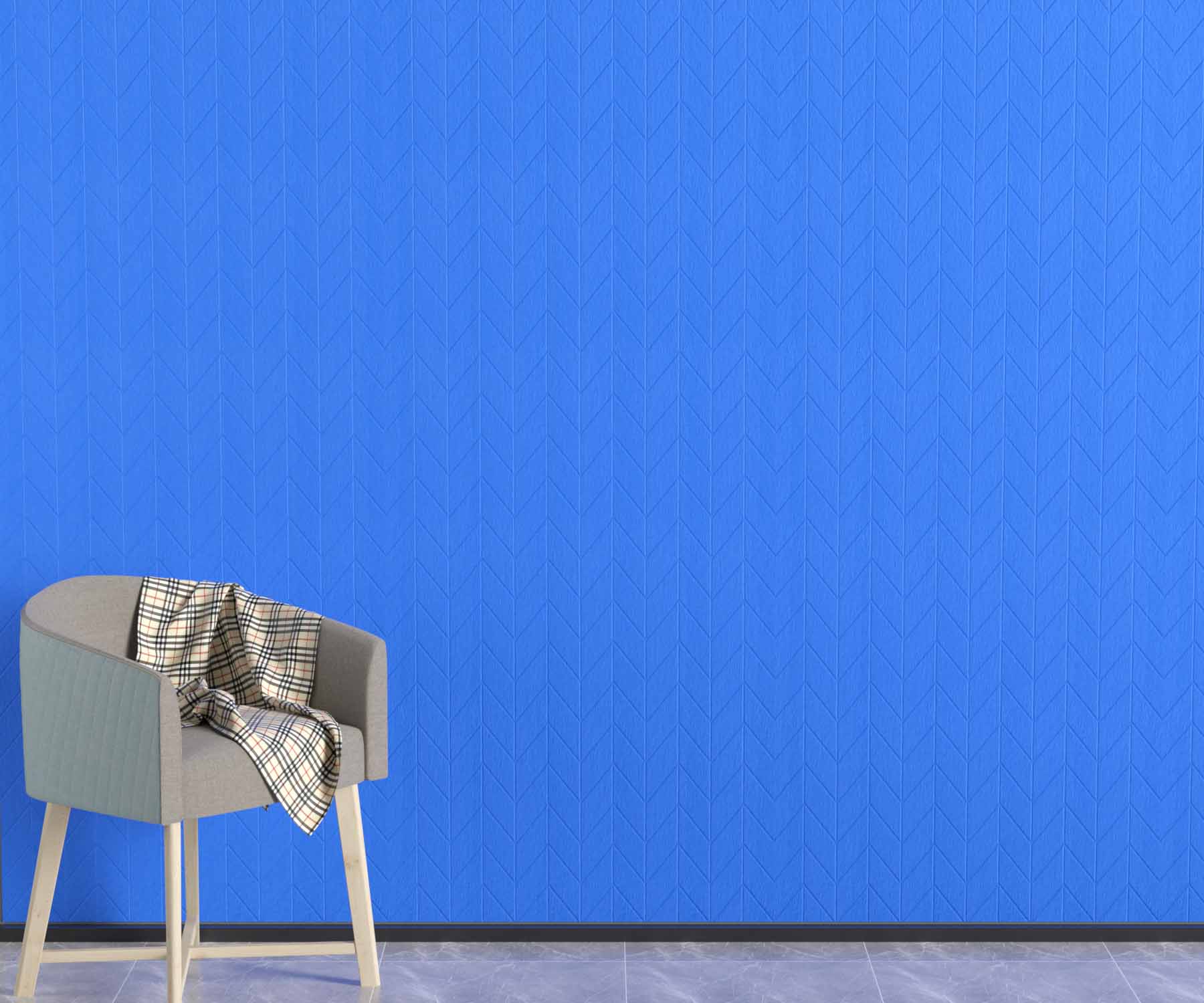
A 12mm polyester fiber acoustic panel offers an excellent balance between acoustic performance, durability, and affordability.
It is the preferred thickness for many commercial and office projects.
Advantages
- Better sound absorption than 9mm
- Increased rigidity
- Suitable for CNC cutting and decorative designs
- Easy to install on walls and ceilings
Acoustic Performance
12mm panels effectively reduce:
- Speech noise
- Office conversations
- Echo
- Reverberation
This thickness performs well across a broader range of frequencies than 9mm panels.
Recommended Applications
- Offices
- Schools
- Conference rooms
- Restaurants
- Hotels
- Retail stores
For most architectural applications, 12mm is considered the industry standard.
Maximum Acoustic Performance
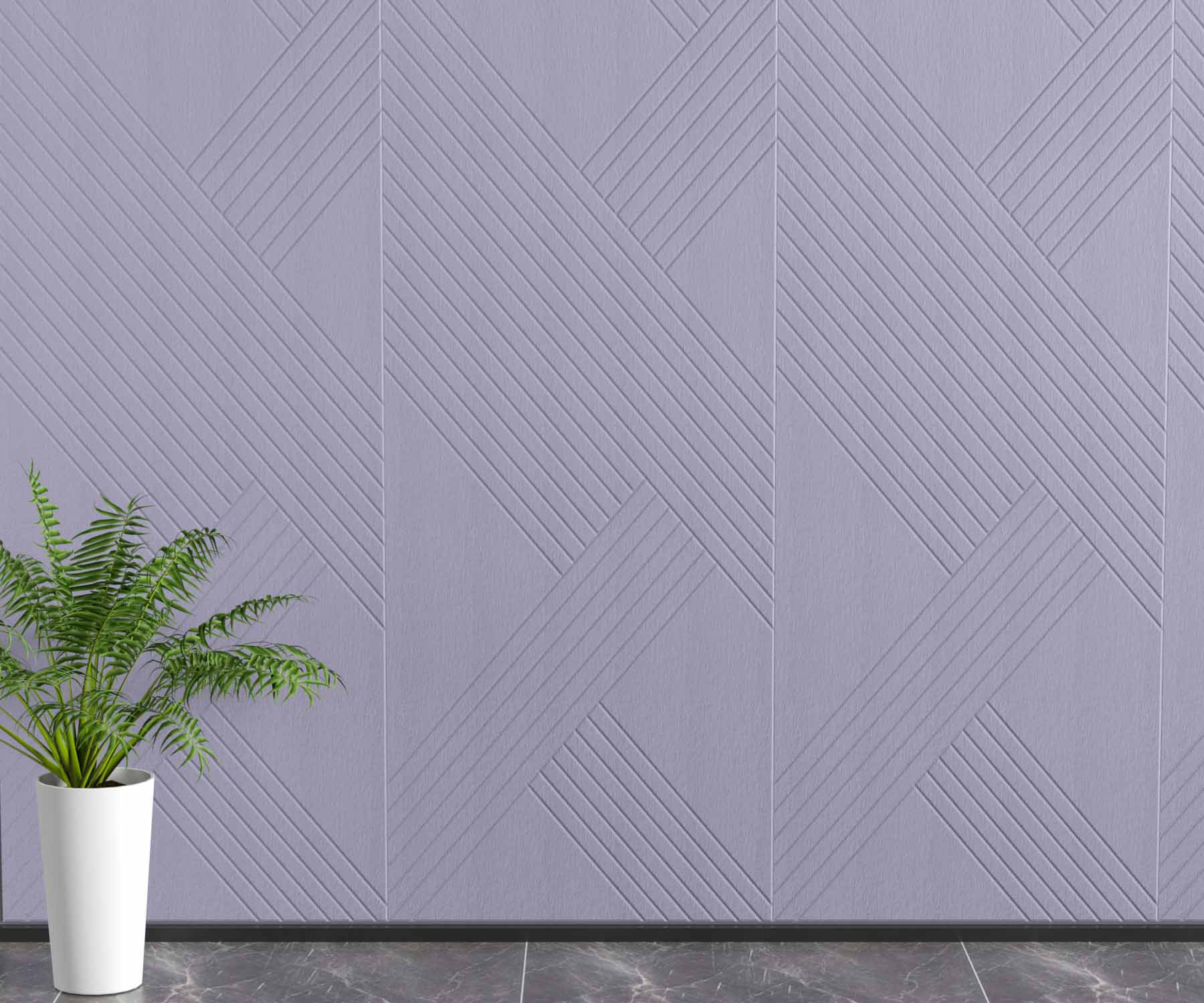
A 24mm polyester fiber acoustic panel is designed for projects where superior sound absorption is required.
The additional thickness significantly improves acoustic performance, especially when installed with an air gap.
Advantages
- Excellent sound absorption
- Better low-frequency performance
- Increased durability
- Premium appearance
Acoustic Performance
24mm panels provide outstanding performance in:
- Large open spaces
- Auditoriums
- Recording studios
- Home theaters
- Educational facilities
They are particularly effective for reducing reverberation in rooms with hard surfaces.
Recommended Applications
- Music rooms
- Performance venues
- Offices with high noise levels
- Public buildings
- Commercial acoustic treatment
Comparison: 9mm vs. 12mm vs. 24mm
| Feature | 9mm | 12mm | 24mm |
|---|---|---|---|
| Sound absorption | Good | Very Good | Excellent |
| Low-frequency performance | Limited | Good | Excellent |
| Weight | Light | Medium | Heavy |
| Rigidity | Moderate | Good | Excellent |
| Decorative applications | Excellent | Excellent | Good |
| Commercial offices | Suitable | Excellent | Excellent |
| Auditoriums & studios | Not recommended | Suitable | Highly recommended |
| Cost | Lowest | Moderate | Highest |
Does a Thicker Panel Always Mean Better Acoustic Performance?
Not necessarily.
While thicker panels generally absorb more sound, overall acoustic performance also depends on:
- Panel density
- Fiber quality
- Installation method
- Wall construction
- Air gap behind the panel
- Total coverage area
For example, a 12mm polyester fiber acoustic panel installed with a 50mm air gap may outperform a directly mounted 24mm panel at certain frequencies.
A complete acoustic design is more important than thickness alone.
Choosing the Right Thickness for Your Project
Choose 9mm if you need:
- Decorative wall panels
- Budget-friendly solutions
- Residential applications
- Lightweight installations
Choose 12mm if you need:
- Offices
- Commercial interiors
- Schools
- Restaurants
- General-purpose acoustic treatment
This is the most versatile option for most projects.
Choose 24mm if you need:
- High-performance acoustic control
- Large public spaces
- Studios
- Theaters
- Areas with significant reverberation
Why Work with a Professional Acoustic Panel Manufacturer?
Consistent thickness and density are essential for reliable acoustic performance.
At Leedings Acoustic, we manufacture high-quality polyester fiber acoustic panels with:
- Precision thickness control
- High-density polyester fibers
- Stable color consistency
- Excellent dimensional accuracy
- Custom sizes and CNC cutting services
As an experienced acoustic panels supplier in China, we provide OEM and ODM solutions for distributors, furniture manufacturers, architects, and commercial contractors worldwide.
Frequently Asked Questions
Is 9mm thick enough for office use?
For small offices with moderate noise levels, 9mm panels can help reduce echo. However, 12mm polyester fiber acoustic panels generally provide better speech absorption and are recommended for most office environments.
Is 24mm worth the extra cost?
If your project requires high acoustic performance—such as conference centers, studios, or auditoriums—24mm panels offer significantly better sound absorption, especially at lower frequencies.
Can different thicknesses be combined?
Yes. Many designers combine multiple panel thicknesses to achieve both visual depth and optimized acoustic performance. For example, 9mm and 24mm panels can be installed together to create a three-dimensional wall design while improving sound absorption.
Conclusion
Choosing the right polyester fiber acoustic panel thickness depends on your project’s acoustic goals, design requirements, and budget.
- 9mm is ideal for decorative and light acoustic applications.
- 12mm offers the best balance of performance, versatility, and value, making it the most popular choice for commercial projects.
- 24mm delivers superior sound absorption for demanding acoustic environments.
By understanding the differences between these thicknesses, you can select the most effective solution for your space.
At Leedings Acoustic, we manufacture premium polyester fiber acoustic panels in multiple thicknesses to meet the needs of architects, contractors, distributors, and furniture manufacturers worldwide. Contact our team to learn more about our custom acoustic solutions and OEM manufacturing services.