

PET acoustic wall panels are widely recognized for their sound absorption performance, sustainability, and design flexibility. One of their key advantages is the ability to offer a wide range of colors through pigment addition during manufacturing.
However, many buyers and designers ask:
Do color pigments affect the acoustic performance of PET acoustic panels?
The answer is: yes—but usually only slightly when properly manufactured. More importantly, pigments play a significant role in the visual performance and application value of the panels.
In this guide, Leedings Acoustic, a professional acoustic panels supplier in China, explains how color pigments influence both acoustic and aesthetic outcomes.

How PET Acoustic Panels Are Colored
Unlike painted surfaces, most high-quality PET acoustic panels are colored during the fiber production stage.
Process overview:
- PET fibers are mixed with color masterbatch pigments
- Fibers are thermally bonded into panels
- Color is distributed throughout the entire panel thickness
This method ensures:
- Consistent color throughout the panel
- Better durability compared to surface painting
- Resistance to scratches and fading
As a leading acoustic panels China manufacturer, Leedings Acoustic uses integrated coloring processes to ensure both performance and color consistency.
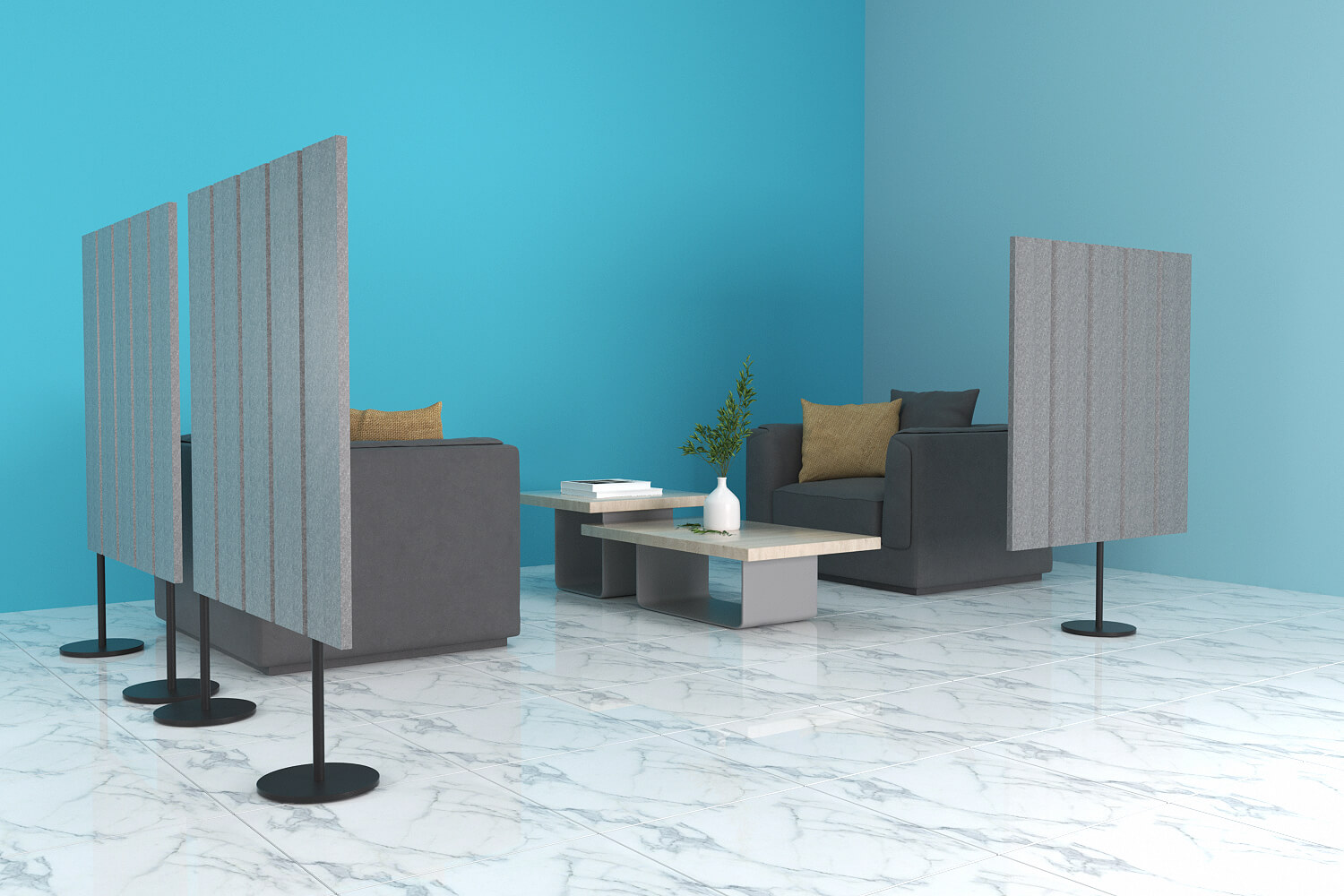
Do Color Pigments Affect Acoustic Performance?
1. Minimal Impact When Properly Controlled
In most cases, pigments have negligible impact on acoustic performance because:
- Sound absorption depends mainly on fiber structure and density
- Pigment content is relatively low
- Porosity remains largely unchanged
Therefore, well-manufactured acoustic wall panels maintain similar NRC performance across different colors.
2. Potential Impact in Low-Quality Panels
However, in lower-quality production, pigments may affect performance if:
- Excessive pigment is added
- Fiber bonding is altered
- Panel density becomes inconsistent
This can lead to:
- Reduced porosity
- Lower sound absorption efficiency
This is why choosing a reliable acoustic panels supplier is critical.
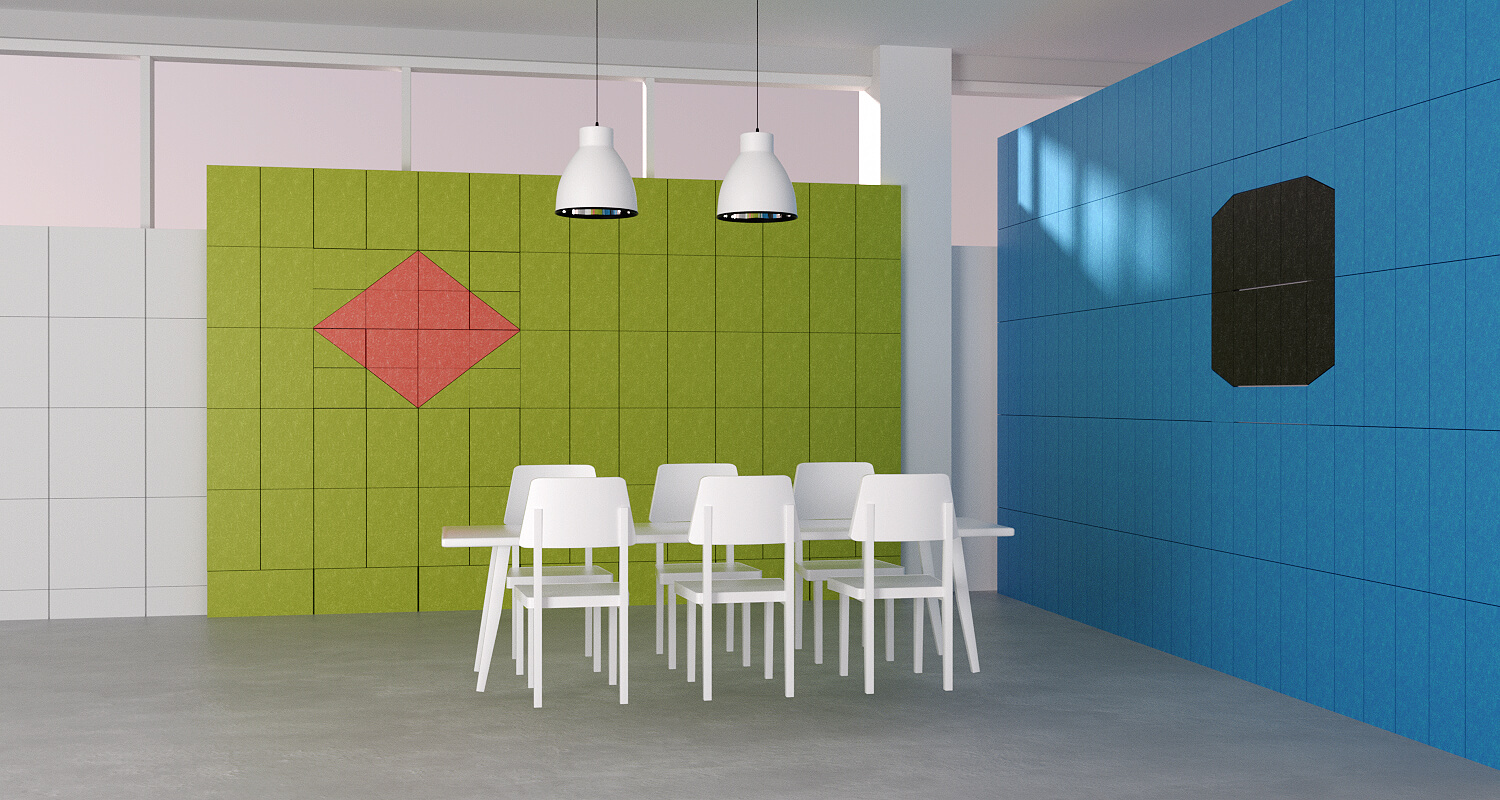
How Color Influences Visual Performance
While acoustic impact is limited, color plays a major role in design and user experience.
1. Enhancing Interior Design Flexibility
Colored PET acoustic panels allow designers to:
- Match brand identity in commercial spaces
- Create contrast or feature walls
- Integrate panels into modern architectural concepts
This makes acoustic wall panels not just functional but also decorative elements.
2. Light Reflection and Perceived Space
Color affects how light interacts with surfaces:
- Light colors (white, beige, light grey)
- Reflect more light
- Make spaces feel larger and brighter
- Dark colors (black, charcoal, deep tones)
- Absorb light
- Create a more intimate and focused environment
This is particularly important in offices, studios, and hospitality spaces.
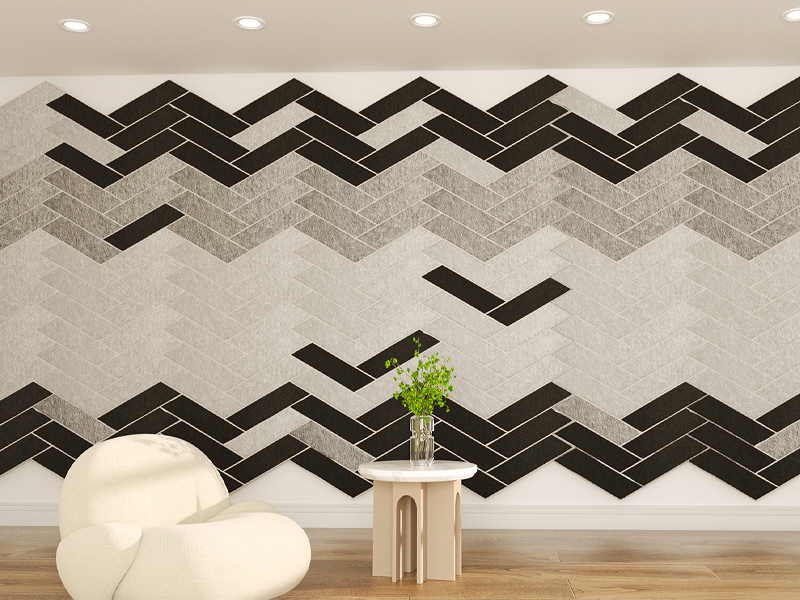
3. Surface Texture Perception
Different pigments can subtly influence how texture is perceived:
- Lighter tones highlight fiber texture
- Darker tones create a more uniform appearance
This affects the visual quality of acoustic wall panels, especially in high-end interiors.
Color Selection and Application Scenarios
Offices and Commercial Spaces
- Neutral tones (grey, beige) for versatility
- Brand colors for feature walls
Conference Rooms
- Medium to dark tones to reduce visual distraction
- Balanced acoustic and visual comfort
Studios and Creative Spaces
- Dark colors for focus
- Bold colors for creative environments
As an experienced acoustic panels supplier in China, Leedings Acoustic supports customized color development for different project needs.
Why Color Consistency Matters in B2B Projects
For large-scale projects, color consistency is critical.
A reliable acoustic panels China manufacturer ensures:
- Batch-to-batch color consistency
- Uniform fiber distribution
- Stable acoustic performance across colors
At Leedings Acoustic, we maintain strict quality control to ensure that all PET acoustic panels meet both aesthetic and acoustic requirements.
Conclusion
So, how do color pigments influence PET acoustic panels?
- Acoustic impact is minimal when properly manufactured
- Visual impact is significant and essential for design
- Quality control determines both performance and consistency
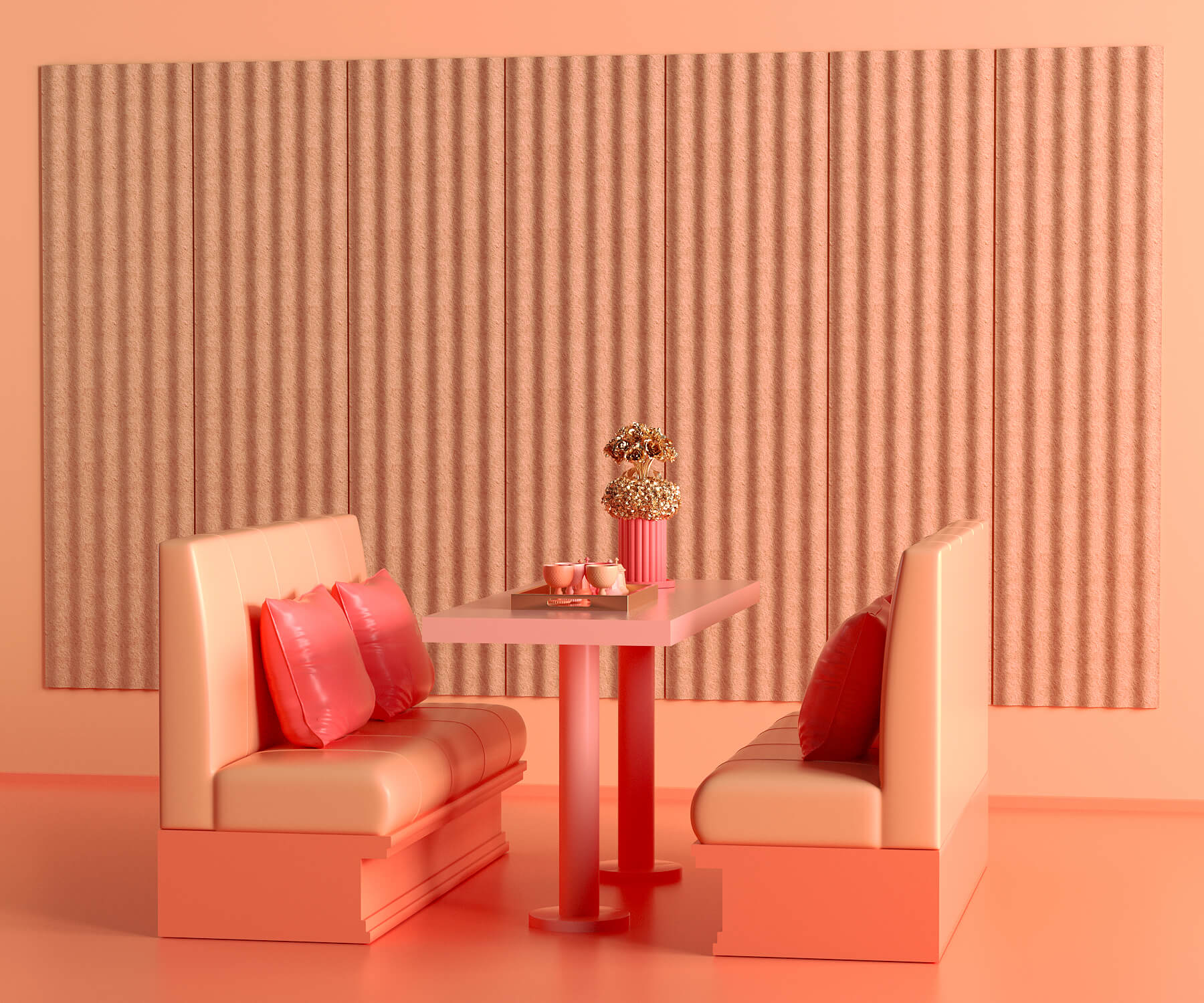
Color is not just a design choice—it is a key factor in how acoustic wall panels integrate into modern interiors.
If you are looking for a reliable acoustic panels supplier in China, Leedings Acoustic offers high-quality PET acoustic panels with consistent color, stable performance, and full customization options.