

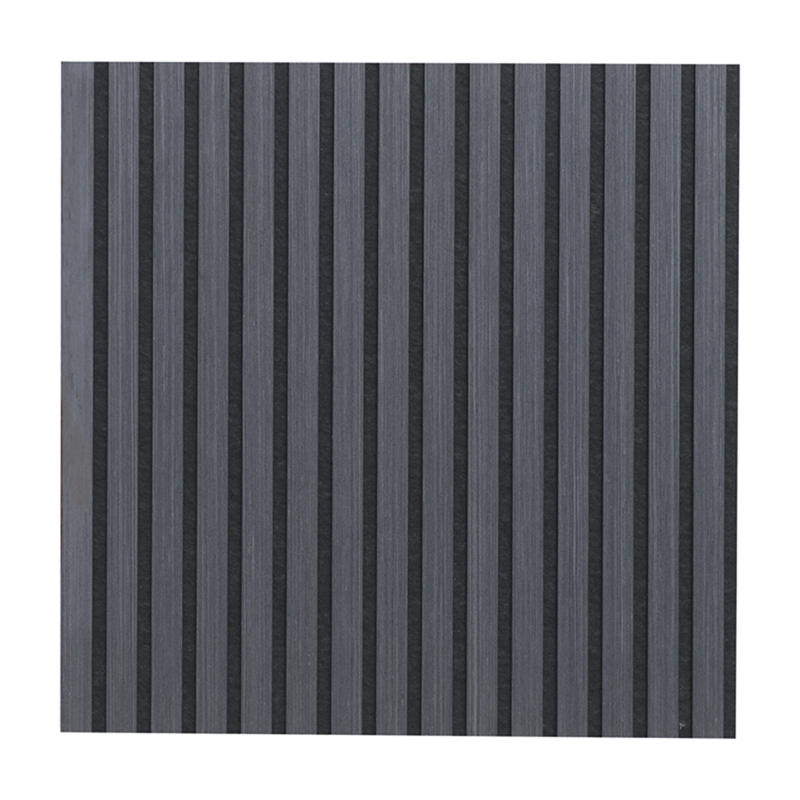
Wood slat akupanels have become one of the most popular acoustic wall panels in modern interiors. They combine elegant wood veneer slats with PET acoustic felt backing, offering both decorative appeal and effective sound absorption.
However, when installing akupanels, one common question arises:
Should you use direct mounting or a batten system?
Both installation methods are widely used, but each has different advantages depending on the project requirements. In this guide, Leedings Acoustic, a professional acoustic panels supplier in China, explains the differences between direct mounting and batten installation to help you choose the best solution.
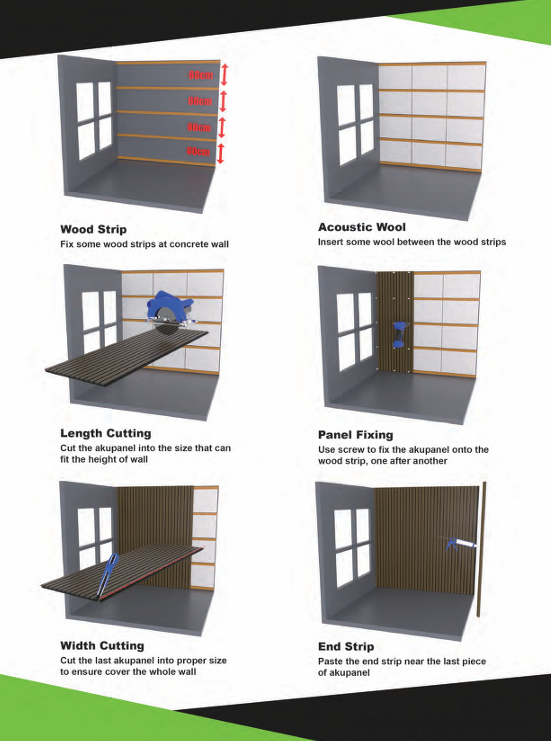
What Is Direct Mounting?
Direct mounting means attaching the akupanels directly to the wall surface using screws or construction adhesive.
This method is the simplest and fastest installation approach for acoustic wall panels.
Typical installation process
Position the panel on the wall
Fix screws through the PET felt backing
Anchor the screws into drywall studs or wall structure
Adhesive can also be applied to the back of the panel for additional support.
Advantages of Direct Mounting
Direct mounting offers several benefits:
Faster Installation
Because no additional structure is required, installers can mount akupanels directly onto the wall. This significantly reduces installation time.
Lower Installation Cost
Direct mounting requires fewer materials compared to batten systems, making it a cost-effective option for many projects.
Ideal for Limited Space
Since the panels sit directly against the wall, this method minimizes wall depth. It works well in spaces where room dimensions are limited.
For these reasons, many installers prefer direct mounting when installing acoustic wall panels in residential interiors.
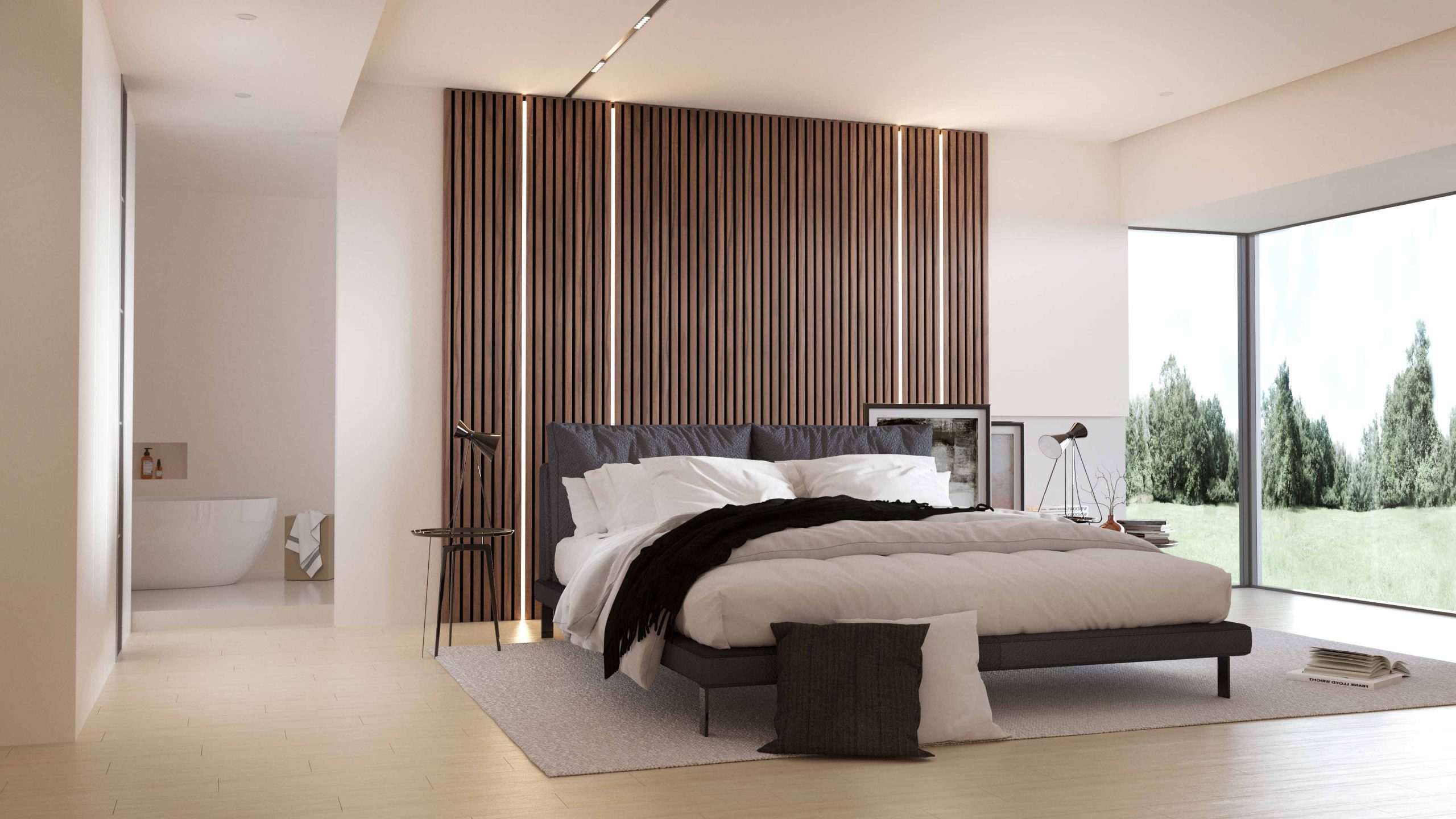
What Is a Batten System?
A batten system involves installing wooden or metal battens on the wall first, then attaching the akupanels to those battens.
The battens create an air gap between the panel and the wall.
Typical installation process
Install wooden battens vertically or horizontally on the wall
Maintain spacing between battens (usually 400–600 mm)
Attach akupanels to the battens using screws
This method is often used in commercial projects or where improved acoustic performance is required.
Advantages of Batten Installation
Improved Acoustic Performance
The air cavity behind the panel allows sound waves to penetrate deeper, improving sound absorption.
For projects where acoustic performance is critical, batten systems are often recommended for akupanels.
Better Wall Ventilation
The gap behind the panel improves airflow, which can help prevent moisture buildup in certain environments.
Easier Cable Management
The space behind the panels allows room for:
Electrical wiring
LED lighting systems
Hidden installations
This is especially useful in offices or commercial interior designs using acoustic wall panels.
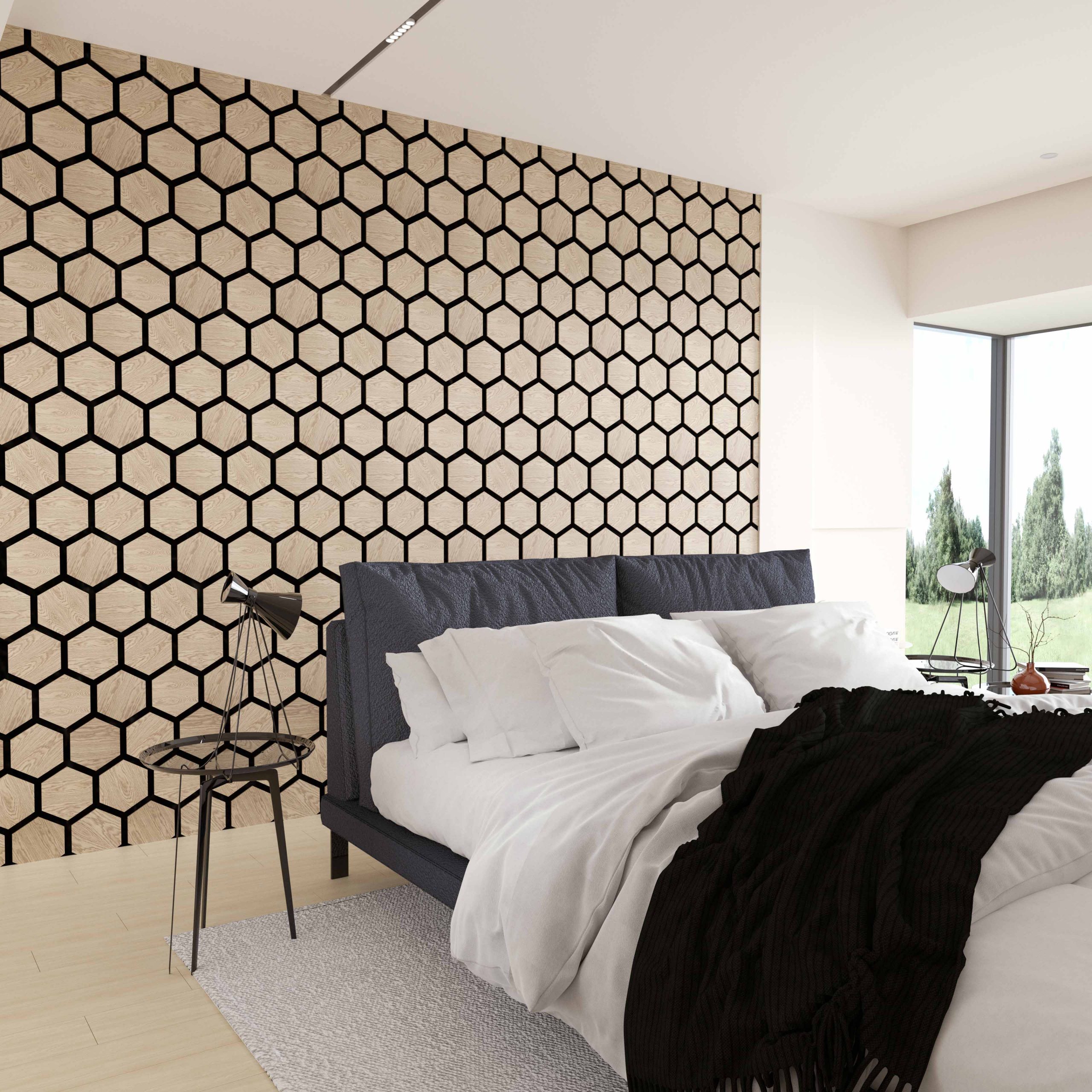
Direct Mounting vs Batten System: Key Differences
| Feature | Direct Mounting | Batten System |
|---|---|---|
| Installation speed | Faster | Slower |
| Installation cost | Lower | Higher |
| Acoustic performance | Standard | Better |
| Wall depth required | Minimal | Increased |
| Cable concealment | Limited | Easy |
Both methods are widely used for installing akupanels, but the choice depends on the project’s acoustic goals and installation conditions.
When Should You Use Direct Mounting?
Direct mounting is recommended for:
Residential interior projects
Small offices
Decorative wall installations
Spaces with limited wall depth
In these situations, installers can easily attach acoustic wall panels directly to the wall without additional framing.
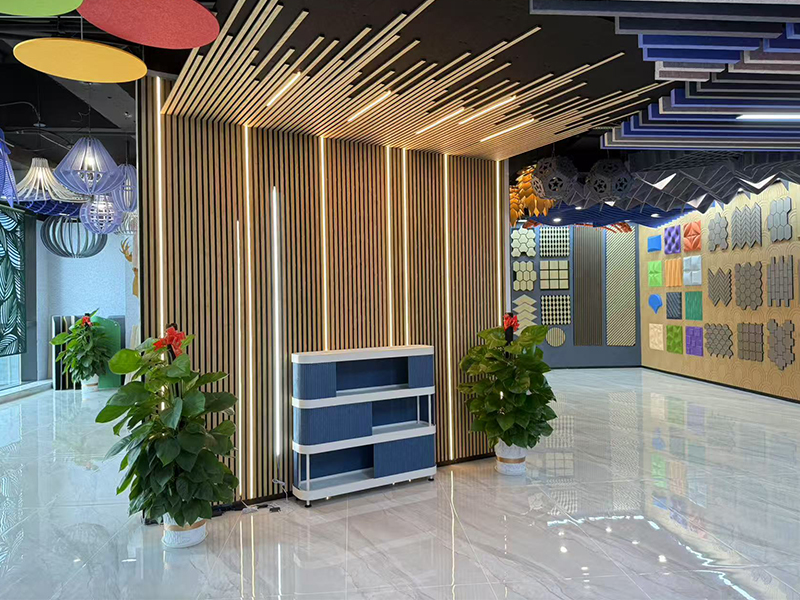
When Should You Use a Batten System?
A batten system is typically preferred for:
Conference rooms
Recording studios
Commercial interiors
Projects requiring enhanced acoustic performance
The air cavity behind the panels helps maximize the acoustic benefits of akupanels.
Why Choose a Professional Acoustic Panels Supplier
High-quality panels make installation easier regardless of the chosen method. At Leedings Acoustic, we manufacture premium akupanels designed for simple installation and consistent acoustic performance.
As an experienced acoustic panels China manufacturer, we provide:
Stable wood veneer slats
Durable PET acoustic backing
Custom sizes for project requirements
Technical installation guidance
Our acoustic wall panels are designed to work effectively with both direct mounting and batten systems.
Conclusion
Both direct mounting and batten systems are effective methods for installing akupanels. Direct mounting offers faster and more cost-efficient installation, while batten systems provide improved acoustic performance and greater flexibility.
The best installation method ultimately depends on the project’s acoustic requirements, wall structure, and design goals.
If you are looking for a reliable acoustic panels supplier in China, Leedings Acoustic offers high-quality akupanels and acoustic wall panels designed for professional installation and long-term performance.