

Installing wood slat akupanels is generally straightforward, but in real-world projects—especially commercial or large-scale installations—various issues can arise that affect both appearance and acoustic performance.
Following Part 1, this article focuses on additional common installation problems and how to avoid them, helping installers, contractors, and distributors achieve professional results.
As a leading acoustic panels supplier in China, Leedings Acoustic shares practical insights based on extensive project experience with acoustic wall panels.
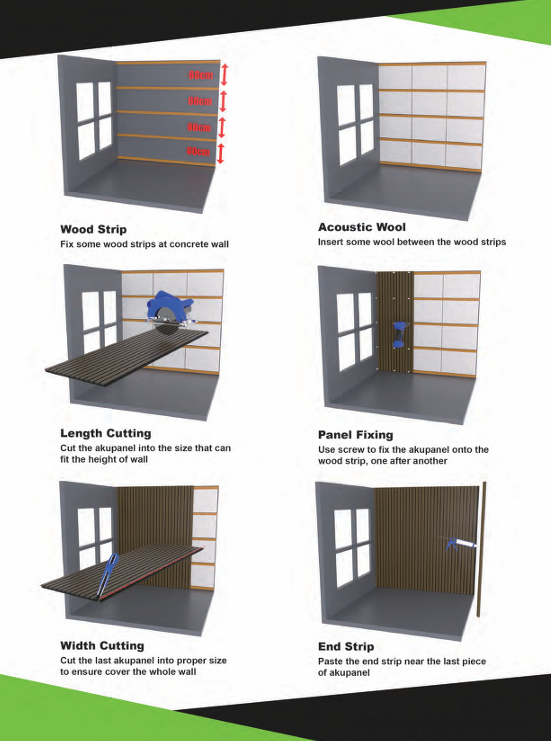
1. Uneven Panel Alignment
Problem
Panels appear misaligned, with inconsistent spacing between slats or visible step differences between adjacent panels.
Causes
- Inaccurate starting reference line
- Uneven wall surface
- Lack of level checking during installation
Solution
- Always begin with a perfectly level baseline using a laser level
- Check alignment after installing each panel
- Use spacers if necessary to maintain consistent gaps
Proper alignment is critical for maintaining the visual quality of akupanels.
2. Visible Gaps Between Panels
Problem
Unwanted gaps appear between panels, affecting the seamless look of the installation.
Causes
- Incorrect measurements
- Wall irregularities
- Poor panel positioning
Solution
- Measure wall dimensions carefully before installation
- Dry-fit panels before fixing
- Trim edges precisely using proper cutting tools
High-quality acoustic wall panels from reliable suppliers reduce dimensional inconsistencies.

3. Weak Fixing or Panel Movement
Problem
Panels feel loose or shift over time after installation.
Causes
- Insufficient screws or adhesive
- Incorrect fixing into weak wall material
- Ignoring panel weight
Solution
- Fix panels into solid structures (studs or battens)
- Use both screws and adhesive when needed
- Follow recommended fixing intervals
As an experienced acoustic panels supplier, Leedings Acoustic recommends mechanical fixing for long-term stability.
4. Cutting Errors Around Edges or Fixtures
Problem
Rough edges or poorly cut openings around sockets, switches, or corners.
Causes
- Using incorrect tools
- Rushing the cutting process
- Poor measurement transfer
Solution
- Use a jigsaw with a fine-tooth blade for detailed cuts
- Apply masking tape before cutting
- Always measure twice and cut once
Clean cutting is essential for maintaining the premium look of akupanels.
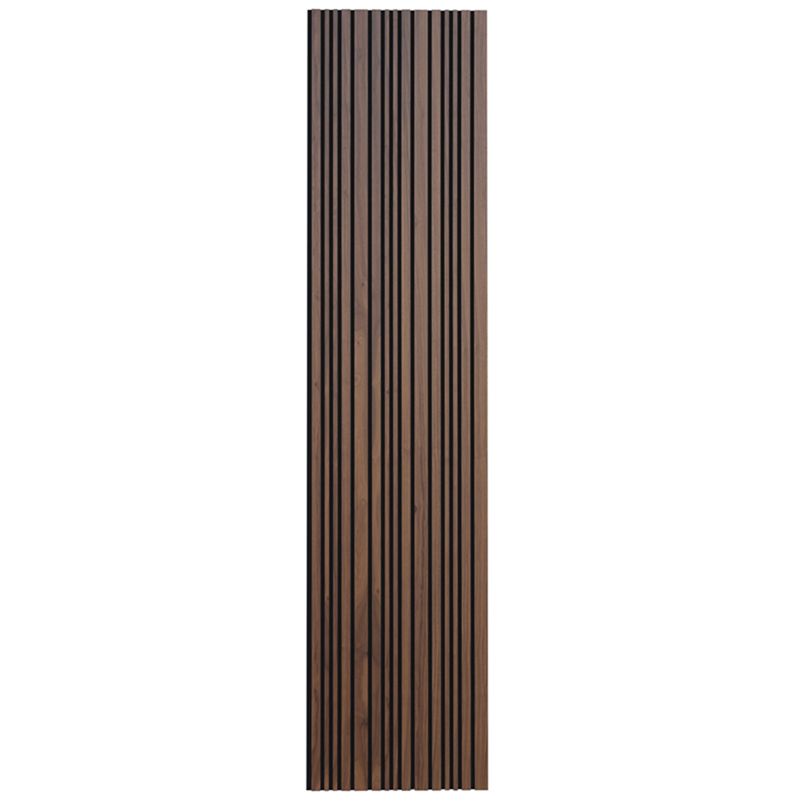
5. Ignoring Expansion Gaps
Problem
Panels expand slightly over time, causing pressure, warping, or buckling.
Causes
- No spacing left between panels or edges
- Temperature or humidity variation
Solution
- Leave small expansion gaps at edges and joints
- Avoid overly tight installation
- Maintain stable indoor conditions
This is especially important for wood-based acoustic wall panels.
6. Poor Installation on Uneven Walls
Problem
Panels do not sit flat, resulting in visible waves or bending.
Causes
- Installing directly on uneven surfaces
- Skipping surface preparation
Solution
- Use a batten system to create a flat mounting surface
- Check wall flatness before installation
- Shim battens if necessary
This method is commonly recommended by professional acoustic panels China manufacturers.
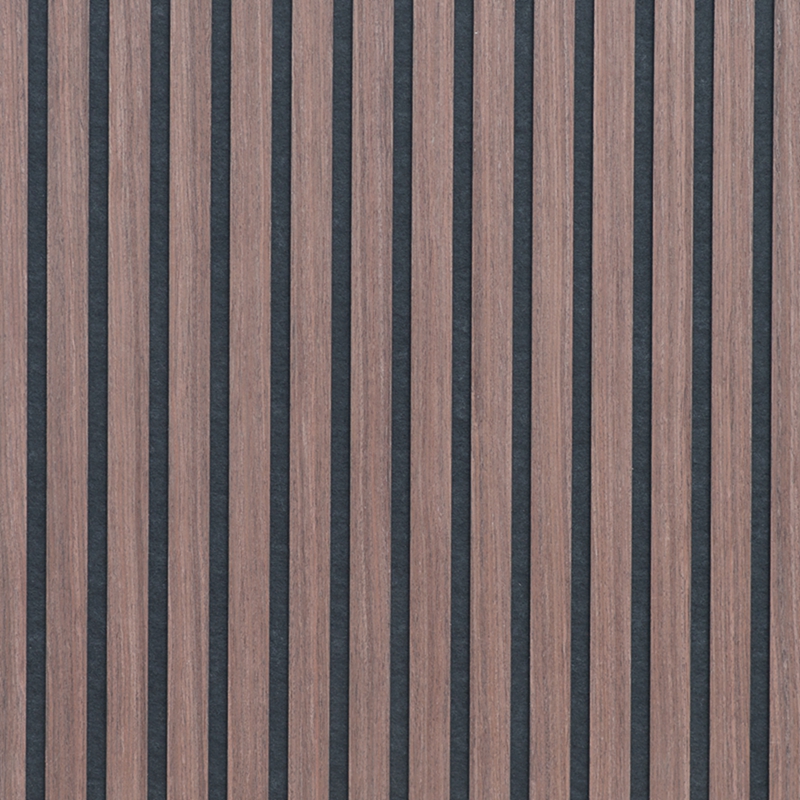
7. Incorrect Use of Adhesive
Problem
Panels detach or leave stains due to improper adhesive use.
Causes
- Using low-quality adhesive
- Applying too much or too little
- Installing on dusty or oily surfaces
Solution
- Use high-quality construction adhesive
- Clean the wall before application
- Follow curing time recommendations
For many projects, combining adhesive with screws provides the best results.
8. Inconsistent Panel Orientation
Problem
Wood grain direction or slat alignment varies between panels.
Causes
- Panels installed without checking orientation
- Mixing panel directions
Solution
- Check all panels before installation
- Maintain consistent orientation across the wall
- Mark direction if necessary during preparation
Consistency is key for achieving a professional finish with akupanels.

Why Work with a Professional Acoustic Panels Supplier
Many installation problems can be avoided by choosing high-quality products from a reliable acoustic panels supplier in China.
At Leedings Acoustic, we provide:
- Consistent panel dimensions
- Stable wood veneer bonding
- Easy-to-install akupanels
- Technical guidance for installers and distributors
Our acoustic wall panels are designed to minimize installation risks and ensure long-term performance.
Conclusion
Installing akupanels may seem simple, but small mistakes can significantly impact the final result. By understanding these common installation problems and applying the right solutions, installers can achieve clean, durable, and professional outcomes.
Key takeaways:
- Plan carefully before installation
- Use proper tools and techniques
- Ensure stable fixing and alignment
- Work with a reliable acoustic panels supplier
For high-quality akupanels and expert support, Leedings Acoustic is your trusted partner in acoustic panels China manufacturing.
