

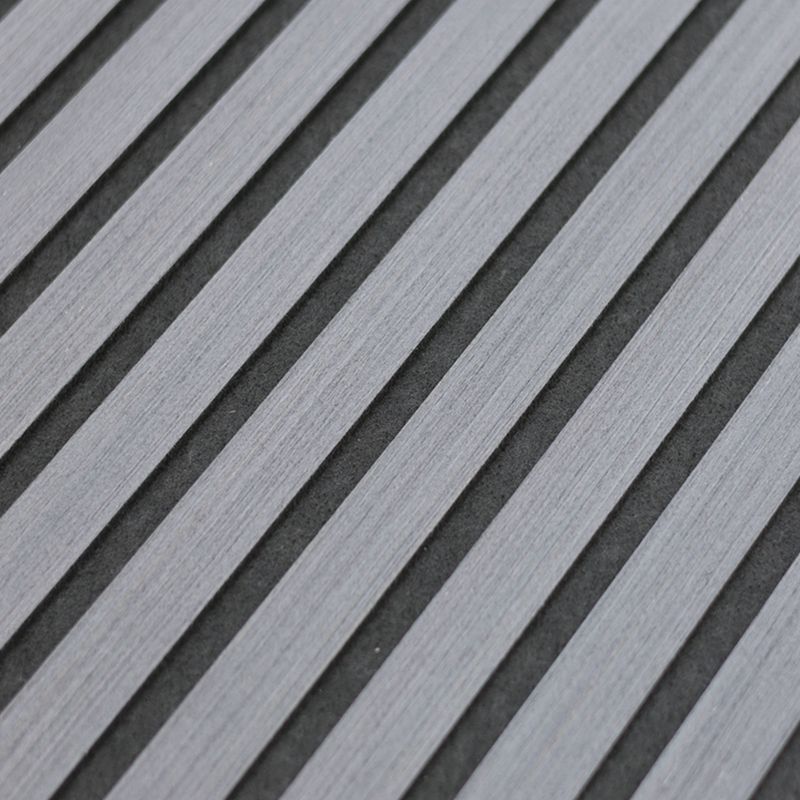
Akupanels—wood slat acoustic panels with PET felt backing—are designed for both visual impact and acoustic performance. While installation is relatively straightforward, small mistakes can affect alignment, durability, and sound absorption.
Based on real project experience, Leedings has summarized the most common Akupanel installation mistakes and explains how to fix or avoid them to ensure a clean, long-lasting result.

Mistake 1: Skipping Wall Preparation
What Goes Wrong
Installing Akupanels on dusty, uneven, or damp walls can cause:
Poor adhesive bonding
Panels sitting unevenly
Long-term detachment
How to Fix It
Clean the wall thoroughly before installation
Repair uneven areas with filler if needed
Ensure the wall is completely dry
Proper surface preparation is the foundation of a successful installation.
Mistake 2: Installing Without a Level
What Goes Wrong
If the first panel is not perfectly straight:
Slats will gradually drift out of alignment
Visual rhythm will be disrupted
Reinstallation may be required
How to Fix It
Always use a spirit level or laser level
Mark reference lines before fixing the first panel
Recheck alignment every few panels
The first panel sets the tone for the entire wall.
Mistake 3: Using the Wrong Fixing Method
What Goes Wrong
Adhesive only on concrete or brick walls
No mechanical support in high-traffic areas
Panels falling over time
How to Fix It
Use adhesive + screws for drywall if panels are large
Use screws with wall plugs for concrete and brick
Select fixing methods based on wall type, not convenience
Correct fixing ensures long-term safety and stability.
Mistake 4: Overusing or Underusing Adhesive
What Goes Wrong
Too much adhesive causes seepage and staining
Too little adhesive leads to weak bonding
How to Fix It
Apply adhesive in consistent beads or a zigzag pattern
Avoid edges where seepage may be visible
Follow adhesive manufacturer recommendations
Balanced adhesive application improves both appearance and durability.

Mistake 5: Cutting Panels Incorrectly
What Goes Wrong
Chipped veneer edges
Uneven panel lengths
Visible damage to wood slats
How to Fix It
Cut from the felt side, not the wood face
Use a fine-tooth saw or sharp utility knife
Measure twice, cut once
Proper cutting tools preserve the premium finish of Akupanels.
Mistake 6: Ignoring Expansion and Environmental Factors
What Goes Wrong
Panels expand or contract due to humidity
Slats may buckle or warp over time
How to Fix It
Leave small expansion gaps where recommended
Avoid installing panels in extremely humid environments without ventilation
Allow panels to acclimate to the room before installation
Environmental awareness ensures long-term dimensional stability.

Mistake 7: Incorrect Slat Orientation or Spacing
What Goes Wrong
Visual inconsistency
Reduced acoustic performance
How to Fix It
Confirm vertical or horizontal orientation in advance
Maintain consistent slat spacing across panels
Follow the original panel design layout
Precision matters for both aesthetics and acoustics.
Mistake 8: Forgetting Acoustic Optimization
What Goes Wrong
Panels look great but underperform acoustically
How to Fix It
Add an air gap behind panels if possible
Use full-wall coverage in echo-prone areas
Combine Akupanels with additional PET acoustic panels if needed
Installation method directly impacts sound absorption.
Why Proper Installation Matters
Correct Akupanel installation ensures:
Clean architectural appearance
Reliable sound absorption
Long service life
Safe use in commercial environments
Leedings Akupanels are engineered for precision, but professional installation practices make the difference.
Final Thoughts
Most Akupanel installation problems are avoidable with proper planning, correct fixing methods, and attention to detail. By understanding these common mistakes and their solutions, you can achieve a flawless result that enhances both space aesthetics and acoustic comfort.
If you need project-specific installation advice, Leedings’ technical team is always ready to support your project.